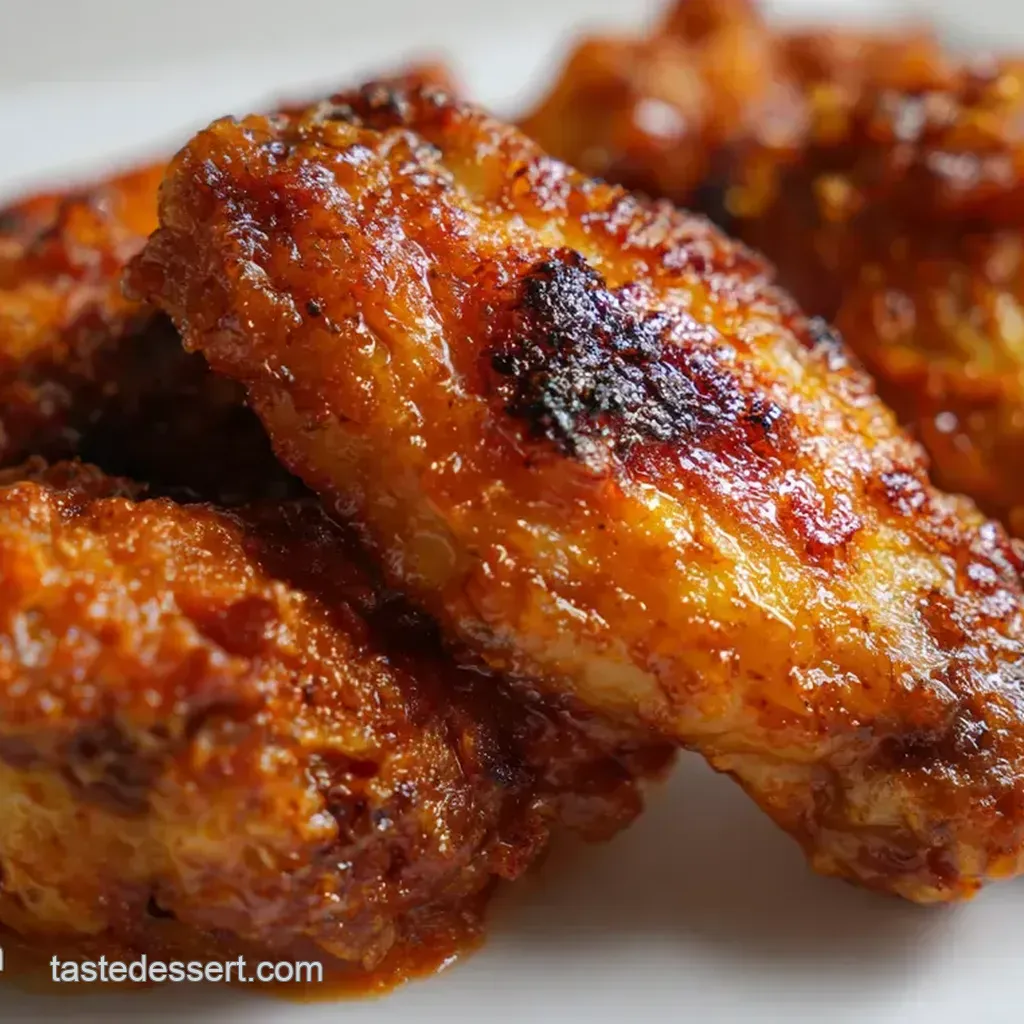
Picture this: it’s game day, your friends are gathered, and the anticipation for crunchy, flavor-packed chicken wings is palpable. You place a massive takeout order, only for the delivery to arrive with a disheartening sight – cold, sad, and undeniably soggy wings. It’s a disappointment no fan deserves. But what if you could become the culinary MVP, mastering the art of perfectly crispy, saucy buffalo wings right in your own kitchen? Forget the inconsistent takeout; with the right techniques, you can achieve restaurant-quality perfection, whether you prefer them baked, fried, or air-fried.
The Iconic Journey of Buffalo Wings: From Bar Snack to Global Sensation
The story of the buffalo wing is as legendary as its taste. This beloved bar snack, now a global game-day icon, wasn't born in a high-tech test kitchen but rather in a humble establishment in Buffalo, New York. In 1964, the Anchor Bar, through the ingenuity of its owner, gave new life to leftover chicken wings. Instead of discarding them, they were fried and tossed in a sweet-hot sauce, creating a sensation that would forever change the American culinary landscape. This simple act of resourcefulness birthed a dish that has become synonymous with celebrations, casual dining, and the spirit of gathering.
From those humble beginnings, buffalo wings have evolved, inspiring countless variations and even entire restaurant chains dedicated to their deliciousness. Places like Wings and Rings, founded in 1984, have built a global empire on the foundation of fresh, buffalo-style chicken wings, proving just how deeply ingrained this dish is in our culture. For a deeper dive into their fascinating history, check out our article: Buffalo Wings: From 1964 Bar Snack to Global Game Day Icon.
Mastering the Crispy Crunch: Three Paths to Perfection
The ultimate goal for any buffalo wing enthusiast is that satisfying crunch followed by a tender, juicy interior. While the deep-fried method is often hailed as the purist's choice, modern techniques like baking and air-frying can deliver incredibly crispy results with less mess and often fewer calories. The key to success, regardless of your chosen method, begins with proper preparation. Always pat your chicken wings thoroughly dry with paper towels; excess moisture is the enemy of crispiness. For an extra boost, a light dusting of baking powder (not baking soda!) before cooking can work wonders, especially for baked and air-fried wings, by helping the skin render fat and crisp up.
1. Baked Buffalo Wings: The Mess-Free Marvel
For many home cooks, baking offers the perfect balance of convenience, flavor, and incredible crispiness without the fuss of deep-frying. It’s an easy-to-master technique that consistently delivers wings that rival (and often surpass) takeout versions.
- The Wire Rack Secret: This is arguably the most crucial tip for baked wings. Arrange your dried wings on a wire rack set inside a rimmed baking sheet. This simple setup allows hot air to circulate completely around each wing, ensuring even cooking and promoting a uniform, crispy skin. Without it, the bottoms of your wings can steam and become soggy.
- Preheat Power: Don't rush it. Ensure your oven is fully preheated to a high temperature, typically around 400-425°F (200-220°C). A hot oven immediately sears the skin, locking in juices and kickstarting the crisping process.
- Optimal Baking Time: Depending on your oven and wing size, bake for approximately 45-60 minutes, flipping them once halfway through. Keep an eye on them towards the end to achieve your desired level of golden-brown crispness.
By following these steps, you’ll achieve baked buffalo wings that are wonderfully crispy on the outside and tender on the inside, ready to be tossed in your favorite sauce.
2. Fried Buffalo Wings: The Classic Indulgence
For those who crave the traditional, unapologetically indulgent experience, deep-frying is the way to go. This method offers unparalleled crispiness and a richness that is hard to replicate.
- The Flavorful Coating: Before frying, a light dredge in a seasoned flour mix can elevate both the crispiness and flavor. A common blend includes all-purpose flour, paprika, cayenne powder for heat, garlic powder for aroma, salt, and black pepper. This coating creates a beautiful crust that adheres wonderfully to the skin.
- Frying Temperature is Key: Heat your oil (canola, vegetable, or peanut oil work well) to a consistent 350-375°F (175-190°C). Maintaining this temperature is vital for even cooking and a crispy exterior without burning. If the oil is too cold, the wings will absorb too much grease; if too hot, they'll burn before cooking through.
- Quick Cook Time: A batch of coated buffalo wings typically fries up in about 10-15 minutes, or until deeply golden brown and cooked through. Consider frying in batches to avoid overcrowding the pot, which can lower the oil temperature and lead to soggy wings.
- The Double Fry Advantage: For truly exceptional crispiness, consider a double-fry. Fry the wings once at 300°F (150°C) for about 8-10 minutes until cooked through but not fully browned. Remove, drain, and let them rest. Then, just before serving, fry them again at 375°F (190°C) for 3-5 minutes until perfectly golden and shatteringly crisp.
While frying requires a bit more effort and cleanup, the reward is a batch of genuinely sensational buffalo wings.
3. Air-Fried Buffalo Wings: The Modern, Health-Conscious Choice
The air fryer has revolutionized home cooking, and it's particularly brilliant for achieving crispy chicken wings with significantly less oil. It's an excellent option for smaller batches or when you want that fried texture without the deep-fryer commitment.
- Minimal Oil, Maximum Crisp: After patting dry and optionally dusting with baking powder, a light spray of cooking oil (or a tablespoon tossed with the wings) is usually all you need. The air fryer’s circulating hot air does the rest.
- Temperature and Time: Preheat your air fryer to 375-400°F (190-200°C). Cook for 20-30 minutes, shaking the basket or flipping the wings every 5-7 minutes to ensure even browning and crispiness. Adjust time based on your air fryer model and wing size.
- Don't Overcrowd: Like deep-frying, air-frying works best when wings are arranged in a single layer without overcrowding. Cook in batches if necessary to allow proper air circulation.
Air-fried buffalo wings offer a fantastic balance of health and indulgence, making them a superb option for any occasion.
The Heart of the Wing: Crafting the Perfect Buffalo Sauce
No buffalo wing is complete without its signature sauce. The classic buffalo sauce is deceptively simple yet profoundly satisfying – a harmonious blend of heat and richness that clings beautifully to the crispy skin.
- The Foundation: Frank's RedHot Original is the traditional base, offering that quintessential cayenne pepper flavor.
- Buttery Richness: Unsalted butter is melted and whisked into the hot sauce. This emulsification creates a smooth, velvety sauce that tames the heat slightly and adds incredible body.
- Flavor Boosters: A touch of garlic powder, a splash of apple cider vinegar, or even a pinch of brown sugar can personalize your sauce. For those who prefer extra heat, a dash of cayenne pepper can be added.
The key is to toss your freshly cooked, crispy wings in the warm sauce immediately before serving. This ensures every nook and cranny is coated in that irresistible sweet-hot goodness.
Serving Your Feast: Quantity and Accompaniments
When hosting a Super Bowl party or any game day gathering, knowing how many wings to prepare is crucial. As a general guideline, if buffalo wings are part of a larger spread with other appetizers, plan for about 1/2 pound of wing portions (5-6 wings) per person. However, if these crispy delights are the main event, consider upping that to 1 pound (8-12 wings) per person – they disappear fast!
To save money, especially for big events, consider buying whole wings and cutting them yourself into flats and drumettes. This can be significantly more cost-effective than buying pre-cut portions. Don't forget the essential accompaniments: cool, creamy blue cheese dressing or ranch, and crisp celery and carrot sticks offer a refreshing contrast to the spicy, rich wings. You might even consider serving them alongside other casual dining favorites, much like the extensive menus offered by establishments specializing in buffalo-style chicken. For more on the global impact of this kind of dining, explore our article: Wings and Rings: The Global Empire of Buffalo-Style Chicken.
Conclusion
Whether you choose the hands-off simplicity of baking, the traditional indulgence of deep-frying, or the modern convenience of air-frying, mastering crispy buffalo wings at home is an incredibly rewarding culinary journey. By focusing on proper preparation, understanding the nuances of each cooking method, and crafting a rich, flavorful sauce, you can consistently deliver better-than-takeout results. So, next time game day rolls around, or you simply crave that iconic sweet-hot crunch, skip the delivery app. Roll up your sleeves, embrace the techniques, and prepare to become the undisputed champion of homemade buffalo wings.
